read 2026
4 titles · 4 logs
Titles


Activity
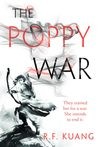
I think this is a bad book overall, but I respect a big swing. This will be a largely critical passage, but that is because I feel like this is a subject matter that requires an incredible amount of empathy and care to pull off and I think there were real glimmers of that. The idea of making fictional people we care about live through some of the worst experiences in real human history as a way to work through what it all means is one of the most compelling exercises that art can attempt. Doing so in the Battle of Shanghai and the Rape of Nanjing is especially important (especially for a Western audience). Muddling the history by placing passages from “Shanghai 1937: Stalingrad on the Yangtze” into a cast of effectively anime characters? Not particularly compelling. It made me feel gross. More gross than when I read that actual history, if that could be possible.Not because it doesn’t matter, but because it really could have worked. Kuang makes some really good choices with structure and then sacrifices too much to get "to the point". Blitzing through magic military academy and interrupting the rhythm with a war is good and the tonal shift here worked for me. Unfortunately, doing so appears to have been almost entirely at the cost of characterization for everyone involved. Kuang uses tropes and stock characters to hand-wave through things and that detracts terribly from the power of later events. I think literally 15 total pages of dialogue between some characters would have made the later “and then my friends and I experienced a genocide” more impactful. In fact, with the use of character tropes, poorly masked transliterations of real Chinese language and folkways/spiritualism, combined with the near-verbatim descriptions of actual war crimes plonked into a fantasy setting I am not entirely sure if any of the actually “good” stuff is her work beyond a very capable and creative initial concept. And yet, despite all this, I will still probably give the second book a shot. I am generally excited to read more R.F. Kuang.
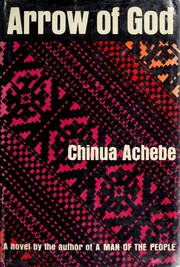
Bitter men beget bitter gods beget bitter disasters. Very loose for me plot-wise, with many digressions but they weren't unwelcome. Such a thoroughly textured, lived world and Achebe isn't going to sit and explain too much just because you don't get it. Such colorful idioms it blew me away.

¿Vos sabés quién sos? Heartbreaking, heartwarming, devastating and delivering. The depths of human depravity can only be overmatched by strength of spirit and relentless resolve that are also so core to being a person. This book maintains a strong pace and yet is detailed enough to show exactly how the gears of fascism grind away at the minds of a population to the point where a bunch of un-uniformed thugs can just bundle a person into a car and make them disappear- and a street full of witnesses will never speak of it. I am also impressed at the creativity it takes to effectively topple a regime by simply showing up every Thursday and marching arm-in-arm. The sheer force of will it takes to effectively browbeat the international scientific community into connecting you with somebody willing (and able) to revolutionize genetics is awe-inspiring. I could probably rant for longer, but it wouldn’t do the Abuelas de Plaza de Mayo justice. They are still finding the Desaparecidos, and yet more of their children may not know who they are.
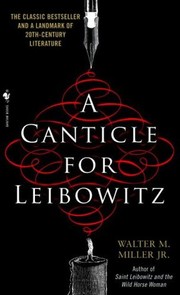
Excellent. Sometimes I even thought I should learn some of this Latin stuff. Mr. Miller wrote some really killer sentences that I sometimes had to just sit and think about for a couple of minutes, which is my favorite type of author and it really is a shame that this is one his only works that ventured beyond short story and that he struggled following up. Of the three stories, I think the first is the weakest ¯\_(ツ)_/¯ but Fiat Lux more than makes up for it. Biting commentary both against and for strict Catholicism. I think the discussion at the end about mercy killing/suicide/murder is especially poignant coming from an author who was Catholic and also clearly struggling. "Men must fumble awhile with error to separate it from truth, I think- as long as they don't seize the error hungrily because it has a pleasanter taste."